

Understanding, Preventing and Treating Dog Anxiety
On a hot, humid summer night with clouds forming in the distance as the sun goes down, you let your dog out for a quick bathroom break. However, your dog quickly sprints back into the house, jumps onto the couch, and begins panting and whining. They start licking you uncontrollably and pawing for attention.
You wonder what happened.
Is your dog simply startled, or are they experiencing anxiety?
The answer may be yes.
As pet parents, it's difficult to watch our dogs struggle with fear, stress, or anxiety. While occasional stress is a normal part of life, persistent anxiety can affect your dog's emotional and physical well-being. The good news is that once you recognize the signs and understand the cause, there are many ways to help your dog feel more secure.
Being able to recognize when your dog is fearful or anxious, and identifying the cause, is the key to determining how to help. Once you know what's driving the behavior, you can develop a strategy to address it.
How to Recognize Anxiety in Dogs
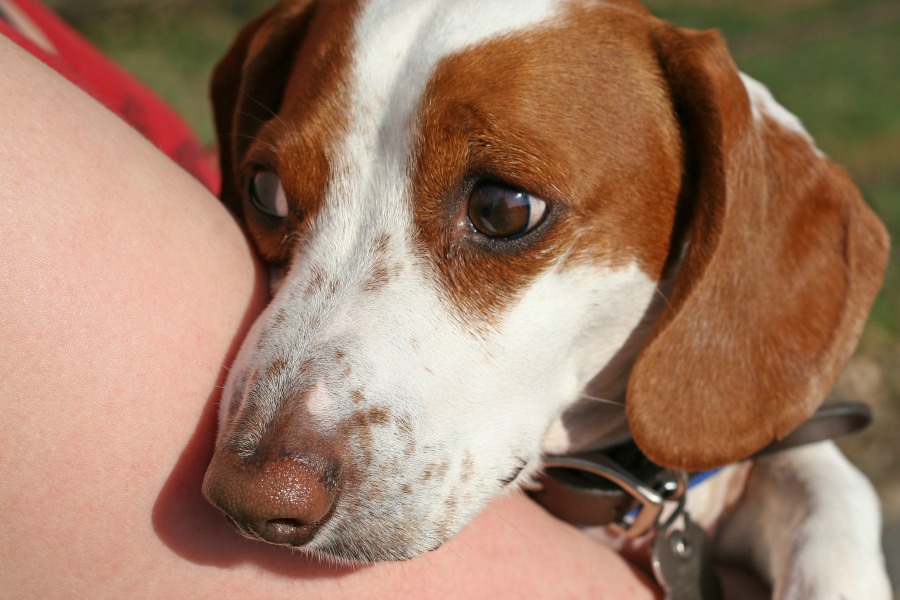
There are multiple signs of anxiety in dogs, and as their pet parent, it's important to recognize the body language and behaviors that may indicate stress.
Canine anxiety is a serious issue and should not be ignored. Left unaddressed, anxiety can contribute to destructive behaviors, aggression, difficulty learning, and other emotional and physical health concerns.
It's also important to remember that frightened dogs are more likely to run away. More pets go missing during thunderstorms, fireworks displays, and other stressful events than at many other times of the year. Understanding the signs of fear and anxiety can help you intervene early and keep your dog safe.
Common (and Often Subtle) Signs of Anxiety in Dogs
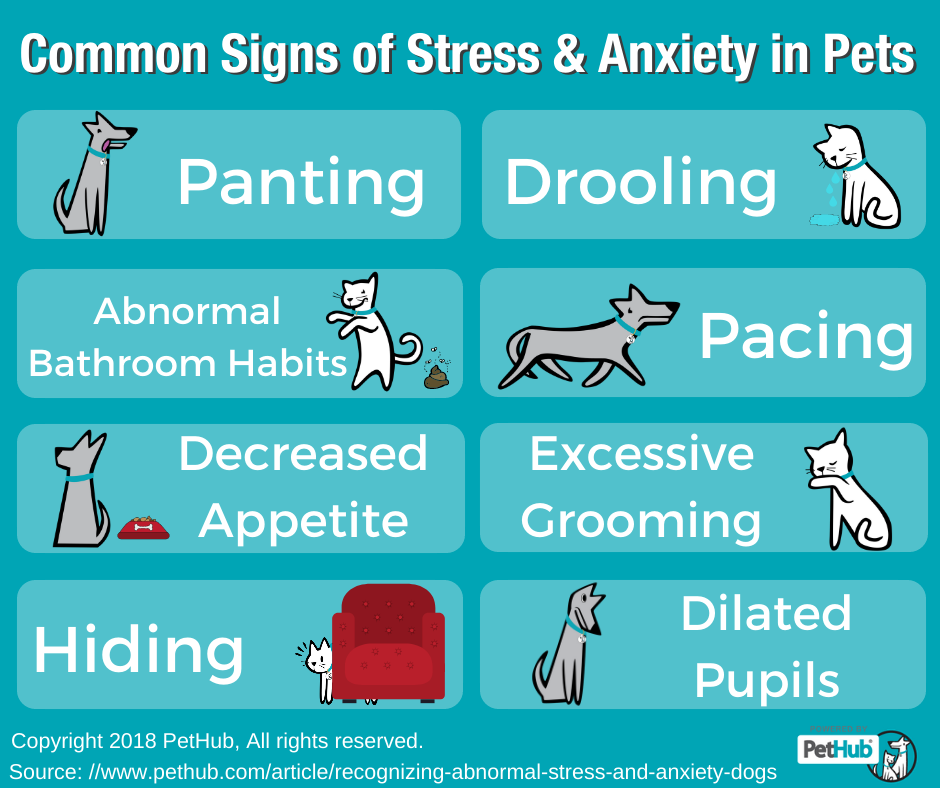
Sometimes anxiety is obvious:
- Tucking their tail
- Avoiding interactions
- Whining or whimpering
- Avoiding eye contact
- Pacing
- Trying to hide or escape
- Trembling
Other signs can be more subtle:
- Dilated pupils
- Panting
- Fidgeting or obsessing over an object
- Excessive licking
- Drooling
- Displacement behaviors such as yawning, lip licking, air sniffing, or "shaking it off"
- Urinating or defecating indoors unexpectedly
- Destructive behavior
While many of these behaviors can occur occasionally in otherwise healthy dogs, they can become a concern when they are extreme, persistent, or occur regularly.
If left unaddressed, normal fear responses can sometimes develop into phobias or chronic anxiety.
Does Your Dog Have Anxiety or a Phobia?
Fear, anxiety, and phobias are among the most common behavioral concerns veterinarians see in dogs.
Fear is typically a short-term response to a perceived threat.
Phobias are intense reactions to a specific trigger.
Anxiety is a recurring or ongoing state that causes a dog to remain constantly alert or "on edge."
Understanding the difference can help you determine the best approach to helping your dog.
Fear: When Your Dog is Calm One Minute and Scared the Next
Fear is a normal response.
Dogs naturally watch for potential threats, and fear helps keep them safe. Fear-based reactions often occur in response to a specific person, object, environment, or situation.
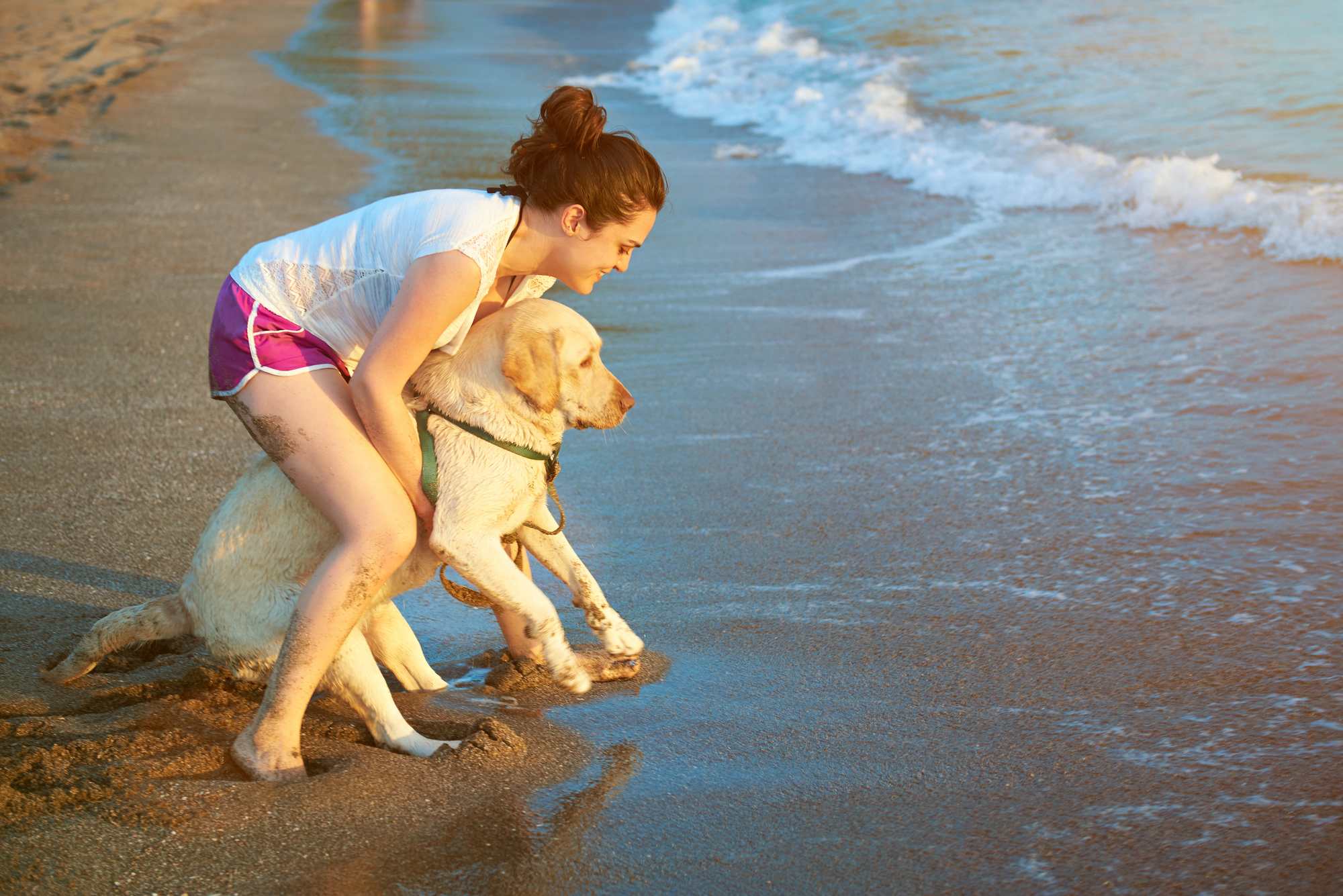
For example:
- A puppy's first trip down a staircase
- A dog's first visit to the beach
- Meeting unfamiliar people
- Hearing a loud noise
Most fear responses are temporary and tied to a specific trigger.
The problem begins when the response becomes disproportionate to the situation.
When fear reactions become excessive or begin interfering with daily life, they should be addressed through positive reinforcement, training, and gradual exposure.
The good news is that many abnormal fear responses can be improved with proper training and behavior modification.
Phobia: When Your Dog Always "Loses It" Around a Specific Trigger
If a dog repeatedly experiences intense fear around the same trigger, that fear can develop into a phobia.
Phobias occur when a dog's response becomes extreme and predictable whenever a specific trigger is present or anticipated.
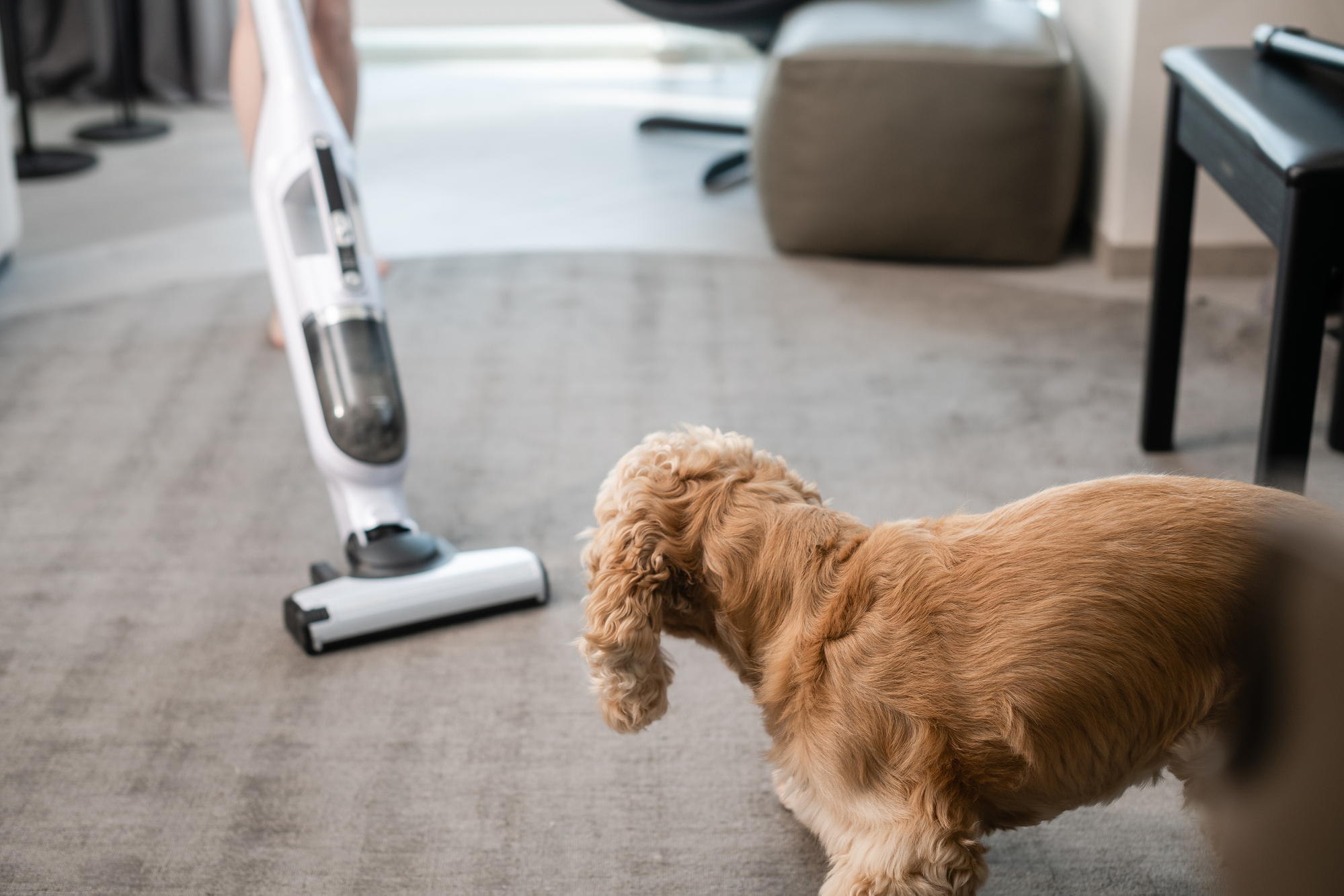
Common triggers include:
- Thunderstorms
- Fireworks
- Vacuum cleaners
- Hair dryers
- Car rides
- Certain people
- Veterinary visits
Some phobias make obvious sense. Others seem completely random.
A dog may become fearful of hats, glasses, wheelchairs, umbrellas, or even a particular piece of furniture if they've associated it with a negative experience.
Without intervention, phobias can contribute to a broader state of anxiety, where a dog begins expecting something frightening to happen at any moment.
Before deciding on a treatment strategy, it's always a good idea to discuss your dog's symptoms with a veterinary professional. Veterinary telehealth services like Dutch make it easy to connect with licensed veterinary professionals who can help you better understand your dog's symptoms and determine appropriate next steps from the comfort of home.
How to Prevent Fears and Phobias
Most fears, phobias, and anxieties begin to develop during social maturity, which generally occurs between 12 and 36 months of age.
This is an important time to expose dogs to:
- Different people
- Other animals
- New environments
- Various sounds
- Different walking surfaces
- Everyday experiences
Positive exposure helps build confidence and resilience.
And socialization isn't just for puppies.
Throughout a dog's life, continued positive experiences with new people, animals, environments, and situations can help maintain confidence and adaptability.
That said, even well-socialized dogs can develop fears or anxieties. Rescue dogs, dogs with traumatic experiences, and even dogs from stable homes can still struggle with anxiety.
Anxiety: When Your Dog Always Seems On Edge
If your dog regularly displays signs of nervousness and always seems unable to relax, they may be experiencing generalized anxiety.
Unlike fear or phobias, generalized anxiety isn't always connected to a specific trigger.
Instead, dogs may appear constantly alert, worried, or unable to settle down.
Generalized anxiety can sometimes develop from unresolved fears or phobias, but it can also be triggered by:
- Changes in routine
- Moving to a new home
- Changes in household members
- Extended periods alone
- Major life transitions
For anxious dogs, the world can feel unpredictable, making it difficult to fully relax.
How Can I Help My Dog with Anxiety?
If your dog struggles with anxiety, there are several ways you can help them regain a sense of calm and security.
Every dog is different, so finding the right combination of strategies may take some experimentation.
Dogs with Anxiety Crave a Private, Safe Space
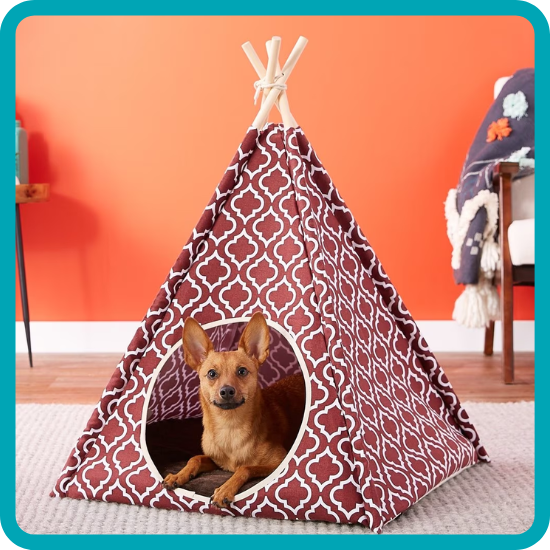
Many anxious dogs benefit from having a designated retreat.
Covered crates, cave-style beds, furniture-style crates, and quiet rooms can provide a sense of safety during stressful situations.
Having a space where they can decompress often helps reduce overall stress levels.
Work the Brain to Calm the Mind
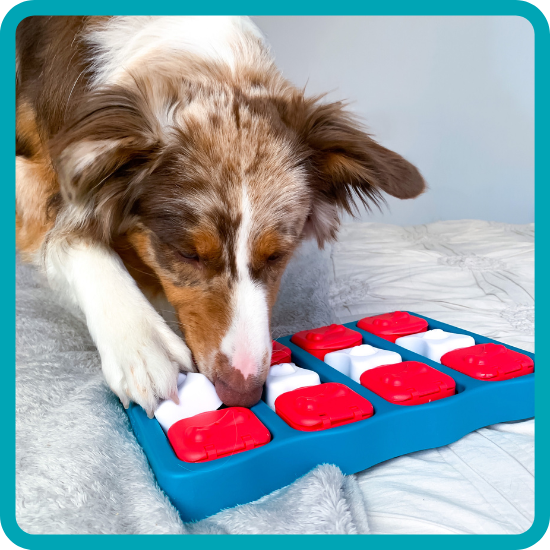
Mental enrichment is one of the most effective ways to help reduce boredom-related stress and build confidence.
Puzzle toys, scent games, food enrichment activities, training exercises, and problem-solving challenges all help redirect nervous energy into productive outlets.
In fact, mental enrichment can be just as important as physical exercise when managing anxiety.
If you're looking for ideas, check out our guide to mental enrichment for dogs for simple activities that can help keep your dog engaged and mentally fulfilled.
As the saying goes, a fulfilled dog is a happy dog, and that includes mental exercise.
Music Calms the Savage Beast

Research suggests that calming music may help some dogs relax during stressful situations, including thunderstorms and separation anxiety.
Specially designed audio programs and white noise machines can help mask frightening sounds and create a more calming environment.
Yes, Your Dog Can Watch TV

Some dogs respond well to visual stimulation designed specifically for pets.
Services like DOGTV were created to provide calming, dog-friendly content that may help reduce boredom and stress when pets are left home alone.
Treat-Stuffing Toys
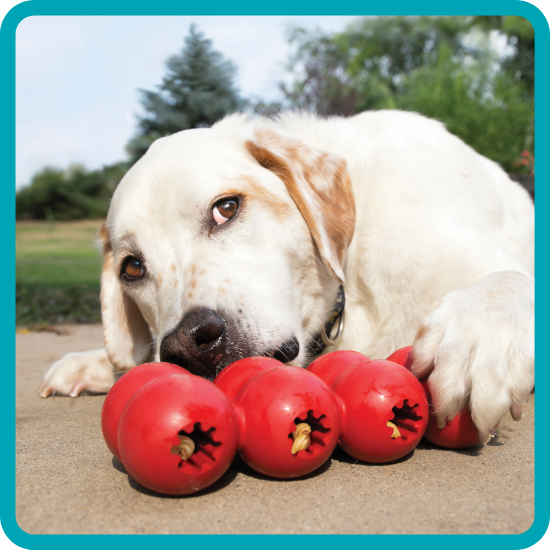
Long-lasting enrichment toys remain popular anxiety-management tools for a reason: they work.
Products like Kong toys encourage licking and problem-solving, both of which can have calming effects on dogs experiencing mild stress or anxiety.
The longer your dog remains focused on a rewarding activity, the less attention they may pay to whatever is causing them stress.
Supplements, Pressure Wraps, and Other Anxiety Aids

Anxiety management isn't one-size-fits-all.
Some dogs benefit from calming supplements, pheromone products, pressure wraps, behavior modification training, or a combination of approaches.
Working with your veterinarian can help you determine which options are most appropriate for your dog's specific needs.
In many cases, combining multiple strategies provides the best results.
When to Consult a Professional About Dog Anxiety
Not all dogs respond to at-home anxiety management techniques.
In some cases, anxiety may develop suddenly, worsen quickly, or be connected to an underlying medical condition.
You should never hesitate to speak with your veterinarian or use a veterinary telehealth service like Dutch if you're concerned about your dog's behavior.
Early intervention often leads to better outcomes.
Veterinarians can help identify potential medical causes, recommend behavior modification strategies, discuss anxiety medications when appropriate, and create a treatment plan tailored to your dog's specific needs.
Anxiety is a real medical and behavioral concern, but with the right support, many dogs can learn to feel safer, more confident, and more comfortable navigating the world around them.