


No one likes to think about emergencies, but having a plan in place before something goes wrong can make all the difference when every minute counts.
Whether it's a natural disaster, a sudden evacuation, a medical emergency, or even a lost pet situation, being prepared can help reduce stress and ensure you can focus on what matters most: keeping your pet safe.
The good news is that creating a pet emergency plan doesn't have to be complicated. A few simple preparations today can save valuable time and prevent unnecessary panic down the road.
To help you get started, we've put together four important steps every pet parent should take to build a practical, effective emergency plan.
.png?x.rKGaLM6okk4qEDHyfxKt30RG3EK1V9)
Step 1: Identify the Emergencies Most Likely to Affect You
No two emergency plans will look exactly the same because no two locations face the same risks. The first step is to think about the types of emergencies that are most likely to occur where you live and how they could impact both you and your pet.
Depending on your location, that could mean severe storms, flooding, wildfires, hurricanes, tornadoes, extreme heat, winter weather, or extended power outages. If you live near a river, flood-prone area, or wildfire zone, you may need to prepare for evacuation. If you regularly experience snowstorms or hurricanes, you may need to plan for sheltering in place for several days.
It's also important to think beyond weather-related events. House fires, gas leaks, vehicle accidents, chemical spills, and other unexpected emergencies can happen almost anywhere and may require you to leave your home with little notice.
As you build your plan, consider how long you and your pet might need to be self-sufficient. While many emergencies are resolved within a day or two, more severe situations can disrupt access to food, clean water, veterinary care, transportation, and communication for much longer.
Understanding your local risks will help you create an emergency plan that is realistic, practical, and tailored to your pet's needs.

Step 2: Create Your Emergency Plan
Once you've identified the emergencies you're most likely to face, it's time to create a plan for each scenario.
Start by thinking through the basics:
- Where will you and your pet stay if you need to evacuate?
- How will you access food, water, and medications?
- What veterinary care options are available if your regular veterinarian is unavailable?
- How will you transport your pet safely?
- Who can help if you're unable to get home or care for your pet yourself?
It's also important to have a plan for situations where you're separated from your pet. Consider who could check on them, pick them up, or provide temporary care if an emergency prevents you from getting home.
Write your plan down and keep it somewhere easily accessible. During an emergency, stress can make it difficult to remember important details. Your plan should include emergency contacts, veterinary information, evacuation destinations, and any special instructions related to your pet's care.
Be sure to keep both digital and printed copies of important information. This can include vaccination records, medical information, emergency contacts, and proof of ownership. Having these documents readily available can save valuable time if you need to evacuate, board your pet, or seek emergency veterinary care.
Finally, share your plan with family members, trusted friends, pet sitters, or anyone else who may be responsible for your pet in an emergency. The more people who understand the plan, the easier it will be to put into action when it matters most.

Step 3: Build a Pet Emergency Kit
A well-stocked emergency kit can save valuable time when every minute counts. Ideally, keep everything in one easily accessible location so you're not searching for supplies during an evacuation or emergency.
Your pet emergency kit should include:
- A copy of your emergency plan
- At least 3–7 days' worth of pet food and bottled water
- Food and water bowls
- Any medications your pet takes regularly
- Extra collars, harnesses, leashes, and identification tags
- A carrier or crate for each pet in your household
- A pet first aid kit
- Blankets, towels, and comfort items
- Waste disposal supplies, including litter and a small litter box for cats or waste bags for dogs
- Flashlights and extra batteries
- Copies of veterinary records, vaccination records, and proof of ownership
- A list of emergency contacts, including your veterinarian, emergency veterinary hospitals, pet sitters, and trusted family members or friends
- If your pet has special dietary needs, medical conditions, or requires prescription medications, be sure to include those items in your kit and check them regularly for expiration dates.
It's also a good idea to review your pet's identification information periodically. Make sure ID tags are legible, microchip registration information is current, and any digital pet profile contains up-to-date contact information, medical details, and emergency contacts. Having accurate information readily available can make reunification and emergency care much easier if you become separated from your pet.
Once your kit is assembled, store it somewhere easy to access and review its contents at least twice a year to replace expired food, medications, batteries, or documents.
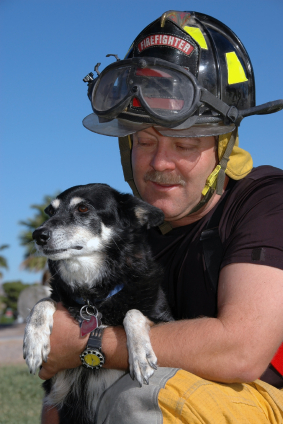
Step 4: Prepare for the Possibility of Separation
No one wants to think about becoming separated from their pet during an emergency, but disasters, evacuations, and unexpected events can happen quickly. Taking a few preventative steps now can significantly increase the chances of a fast and safe reunion.
Start by making sure your pet can always be identified:
Keep a collar with current identification on your pet at all times.
Verify that your pet's microchip registration information is accurate and up to date.
Maintain current contact information, emergency contacts, and medical details wherever your pet's records are stored.
Keep recent photos of your pet, including clear face photos and full-body images that show any unique markings or features.
Digital identification tools can be especially valuable during emergencies. Unlike traditional tags that are limited to a single phone number, a PetHub Digital Pet ID Tag can provide access to multiple emergency contacts, medical information, and other important details that may help someone safely reunite you with your pet.
It's also important to think through who can help if you're unable to care for your pet yourself. Identify a trusted friend, family member, neighbor, pet sitter, or boarding facility that could provide temporary care if needed. Make sure they know where to find your emergency plan and have access to any important instructions.
Finally, review your emergency plan with everyone in your household. Discuss evacuation procedures, meeting locations, emergency contacts, and where your pets are most likely to hide during stressful situations. The more familiar everyone is with the plan, the easier it will be to act quickly when an emergency occurs.
While we hope you'll never need it, having a backup plan for your pet's safety can provide valuable peace of mind and help ensure you're prepared for whatever comes your way.
Emergencies are unpredictable, but a little preparation can go a long way. Taking the time to create a plan, assemble an emergency kit, and keep your pet's information up to date can help you respond more quickly and confidently when the unexpected happens.
You may never need to put your emergency plan into action, but if the day comes, you'll be glad you took the time to prepare. After all, when it comes to protecting the pets we love, peace of mind is always worth the effort.