
Being a great pet parent isn't about perfection. It's about understanding your pet's needs, keeping them safe, and helping them live a healthy, happy life.
Whether you've recently welcomed a new pet into your family or you're looking for ways to level up your pet parenting skills, these eight tips can help you become your pet's favorite human.
1. Get to Know Your Pet's Breed and Personality

Every pet is unique, but understanding your pet's breed can provide valuable insight into their exercise needs, temperament, grooming requirements, and potential health concerns.
That said, breed is only part of the story. Age, environment, training, and life experiences all play a role in shaping your pet's personality and behavior.
If you're looking for training support, resources like Dunbar Academy can help you better understand your dog's needs and strengthen your relationship through positive, science-based training.
Want to learn more about your pet's unique background? Wisdom Panel DNA tests can provide valuable information about breed ancestry, inherited traits, and potential health risks, giving you a deeper understanding of your pet's needs.
2. Make Your Pet Comfortable at Home
A comfortable pet is often a happier, less stressed pet.
Make sure your pet always has access to fresh water, a comfortable place to rest, and a safe space they can call their own. For dogs, that may be a crate, bed, or designated room. For cats, it could be a cat tree, hiding spot, or cozy perch near a window.
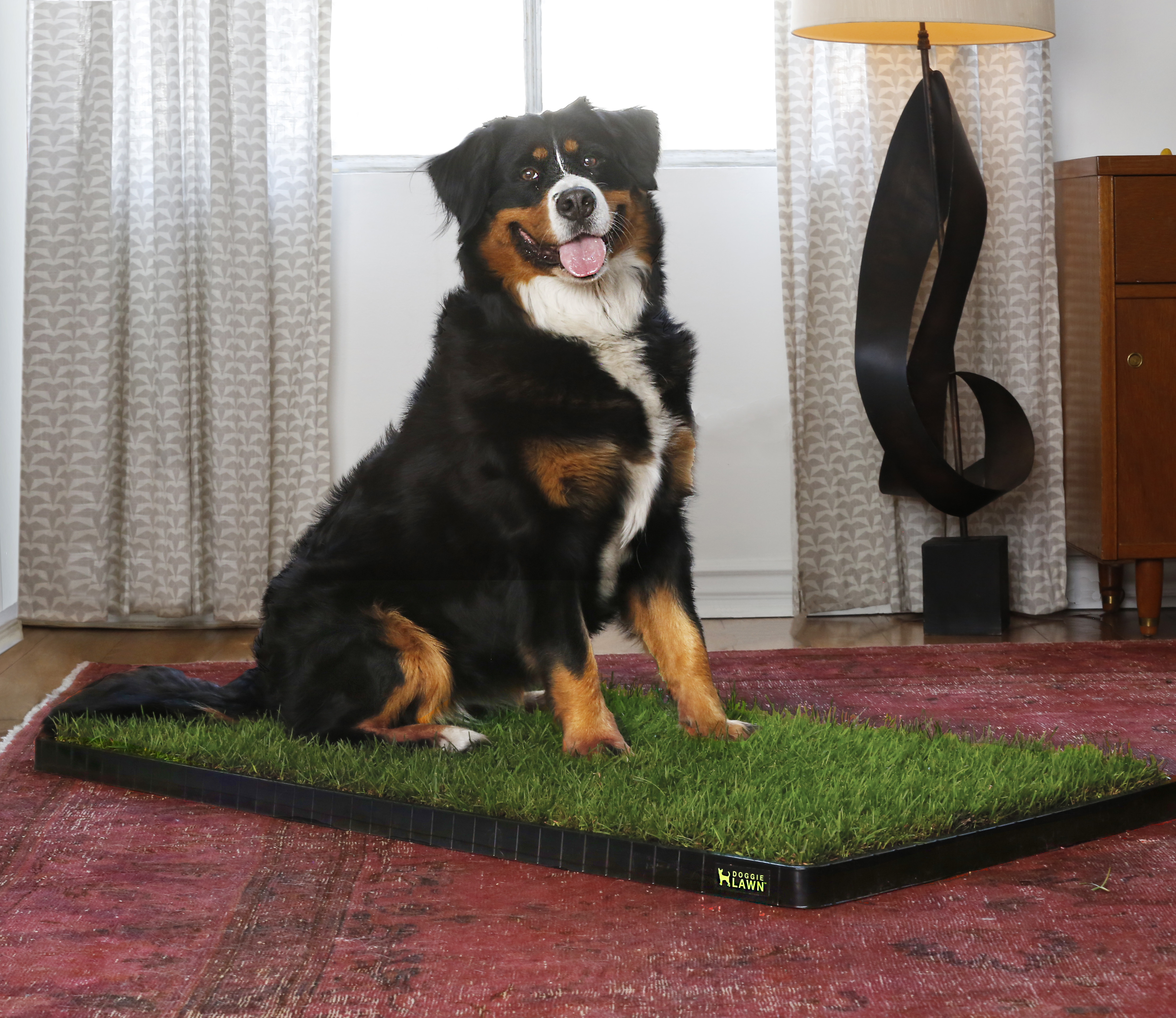
Consistent access to appropriate bathroom breaks is important too. Depending on your lifestyle and living situation, solutions like doggy doors, Bark Potty, or Doggie Lawn may help make life easier for both you and your pet.
Small comforts can have a big impact on your pet's overall well-being.
3. Keep Their Environment Safe
Pet-proofing your home is one of the easiest ways to prevent accidents and emergencies.
Keep potentially dangerous items out of reach, including:
- Chocolate
- Xylitol-containing products
- Human medications
- Household cleaners
- Cannabis products
- Batteries
- Certain essential oils
- Small toys and choking hazards
Outside, regularly inspect fencing, gates, and outdoor spaces for potential escape routes. If you use lawn care products, fertilizers, or pest control treatments, make sure they're stored safely and used according to pet-safe guidelines.
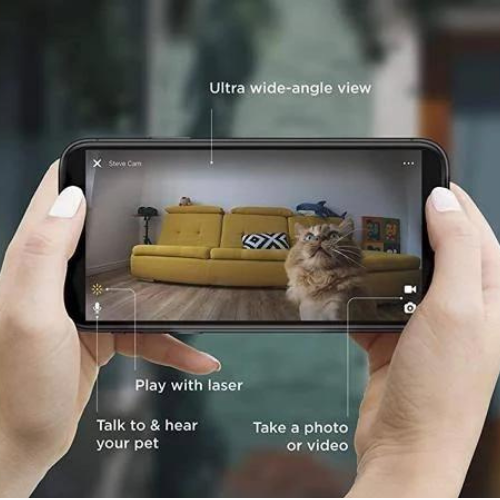
Pet cameras like Furbo, or Petlibro's Scout, can also help you keep an eye on your pet while you're away and alert you to unusual behavior or activity.
4. Properly ID Your Pet
.png?s6KH5xQX0Mw9IHzCU7v2u8wsOK05xR.m)
Even the most well-behaved pets can become lost.
A door gets left open. A gate doesn't latch. A thunderstorm causes panic. Emergencies happen.
That's why every pet should wear visible identification.
Digital pet ID tags, like PetHub tags, make it easy for anyone who finds your pet to quickly access important information by scanning a QR code with their smartphone.
In addition to identification, PetHub tags provide access to a free online pet profile and our 24/7 Found Pet Hotline, helping reunite lost pets with their families as quickly as possible.
Most importantly, make sure your contact information stays current. The best identification system in the world won't help if the phone number is outdated.
5. Microchip Your Pet
.png?IuD5plpoHvmx3P_QXB7MNcbDf1TX.woP)
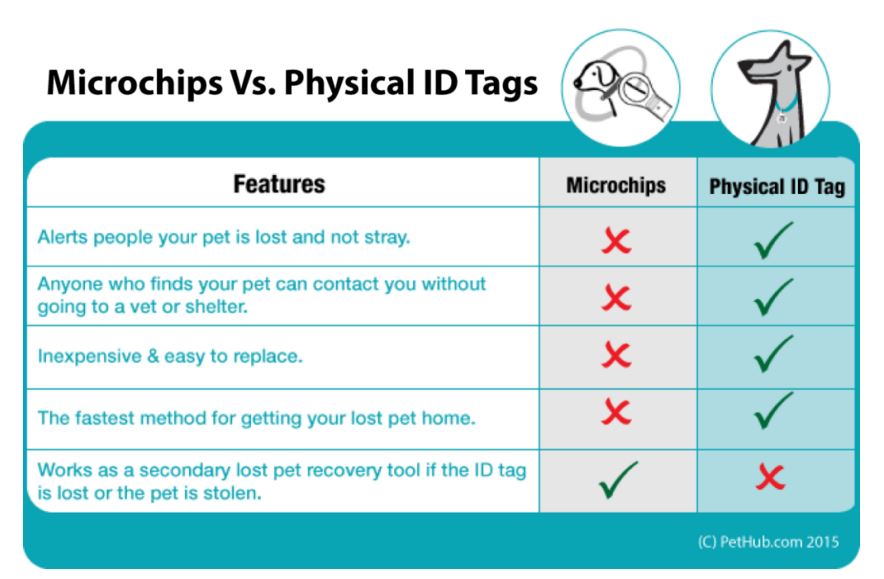
A microchip is an important backup form of identification, but it should never replace a visible ID tag.
Unlike a tag, a microchip requires a special scanner and typically a visit to a veterinary clinic or shelter before your information can be accessed.
That's why we recommend a layered approach:
- A visible ID tag
- A registered microchip
- Up-to-date contact information
Together, these tools significantly increase the chances of a successful reunion if your pet ever becomes lost.
And remember: a microchip is only effective if the registration information is accurate and up to date.
6. Keep Your Pet Active
.png?zIF5HHO8TF9wFFdM3euyNZ1dAbfX35wG)
Regular exercise helps keep pets healthy, happy, and mentally engaged.
Physical activity helps maintain a healthy weight, supports joint health, and can reduce unwanted behaviors that stem from boredom or excess energy.
But physical exercise is only part of the equation.
Mental enrichment is just as important.
Puzzle feeders, scent games, training exercises, and interactive toys can help challenge your pet's brain and keep them engaged throughout the day. In fact, mental enrichment can be just as tiring and rewarding as physical exercise. If you're looking for simple ways to add more enrichment to your pet's routine, check out our article on mental enrichment for dogs.
One of the easiest ways to keep enrichment fresh is to regularly introduce new toys, textures, scents, and challenges. Subscription services like BarkBox can help by delivering a rotating selection of toys and treats designed to keep playtime interesting and engaging, even for pets who seem to get bored with the same toys over time.
7. Train Your Pet
.png?1BRZ4Fa1ttWpNMj1dEZOuF2mAJJi1wXt)
Training is one of the best investments you can make in your relationship with your pet.
While starting early can make training easier, pets of any age can learn new skills and behaviors.
Consistent training helps:
- Build confidence
- Strengthen communication
- Improve safety
- Prevent behavioral issues
- Deepen the bond between pets and their people
Remember: training isn't just about teaching commands. It's about helping your pet understand how to successfully navigate the world around them.
8. Take Your Pet to the Vet for Regular Checkups
Regular veterinary care plays an important role in your pet's long-term health.
Routine wellness visits help veterinarians identify potential concerns before they become serious problems and ensure your pet stays current on preventive care.
Preventive care may include:
- Wellness exams
- Vaccinations
- Dental care
- Parasite prevention
- Routine health screenings
- Nutrition discussions
Because pets can't always tell us when something feels wrong, regular checkups help catch issues that might otherwise go unnoticed.
Have a question between appointments?
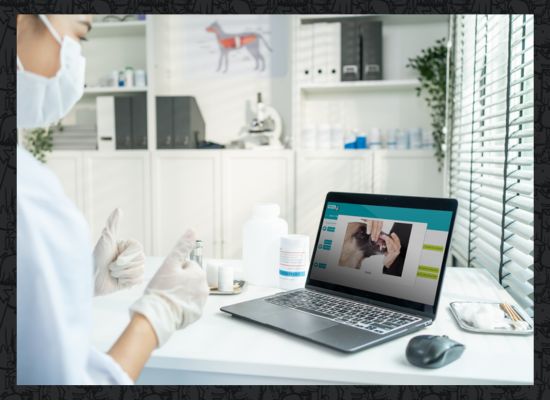
Veterinary telehealth services like Dutch can help connect pet parents with licensed veterinary professionals for guidance, education, and support from home. While telehealth isn't a replacement for in-person veterinary care, it can be a valuable resource when you're unsure about symptoms, behavior changes, or next steps.
The Bottom Line
Being an all-star pet parent doesn't require fancy gadgets or perfection.
It comes down to understanding your pet, meeting their physical and emotional needs, prioritizing their health and safety, and showing up for them every day.
The good news? If you're reading articles like this and looking for ways to improve your pet's life, you're already on the right track.